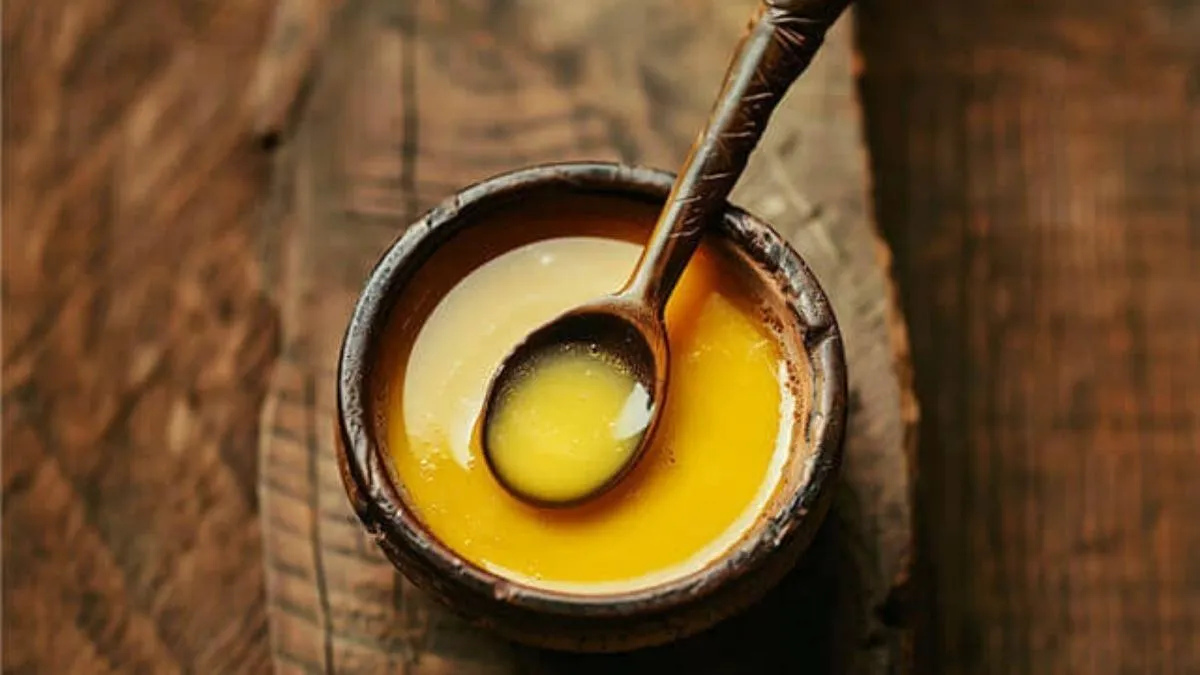
Ghee is used everywhere—from daily food preparation in households to religious festivals, and in the making of sweets and traditional delicacies (pitha). However, the current prices of ghee are putting a significant strain on consumers’ pockets. It is not just ghee; the prices of other dairy products, such as butter, are also on the rise. This raises a question: why are ghee prices increasing despite milk being produced within the country? The reason lies in a major challenge facing the Indian dairy industry—a deficiency of fat in the milk. There is milk, but it is low in fat. Milk primarily consists of two types of components: fat and SNF (Solids Not Fat). The latter includes proteins, lactose, and minerals. A high fat content in milk is essential for the production of ghee and butter. However, dairy companies are currently facing difficulties in procuring the required amount of fat from milk.
The question arises: why are fat prices rising?
There are several reasons for this. Firstly, there has been an increase in the demand for fat-rich food products such as ghee, butter, paneer, and ice cream. This demand has surged further following a reduction in the GST on these dairy products, effective from September 2025. Additionally, the FSSAI and the food safety departments of various states have intensified raids against adulterated ghee and counterfeit dairy products. Consequently, the demand for pure milk—specifically milk with a higher fat content—has increased. Furthermore, the export of ghee, butter, and other milk fats from India to foreign countries has impacted the availability of fat in the domestic market. The average price of butter at the dairy level was ₹348 per kilogram in October 2023, which rose to ₹537 per kilogram by October 2026—an increase of approximately 54.3 percent.
Similarly, effective November 2, Amul has increased the price of a one-litre pouch of ghee from ₹695 to ₹735. The price of a 500-gram packet of table butter has also increased from ₹310 to ₹325. Furthermore, a slowdown in milk production, coupled with a shortage of cattle feed and fodder, has become a cause for concern for the dairy industry. If drought-like conditions emerge in certain regions due to the El Niño effect, milk production could be further impacted in the future. However, as the demand for sweets and ghee declines after Diwali, and with milk production expected to rise during the winter season, the pressure on prices may ease somewhat. Nevertheless, the most significant challenge currently facing the Indian dairy industry is not milk production itself, but rather ensuring an adequate supply of milk fat.