
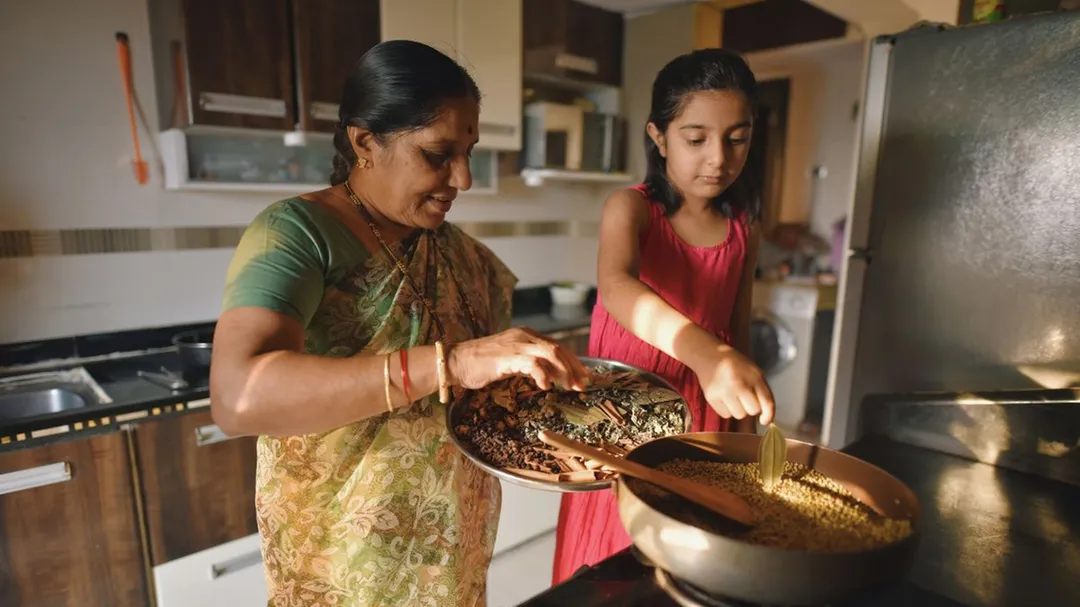
The controversy over ethanol blended petrol (E-20) has not subsided yet. According to some people, E-20 is causing damage to vehicle engines and affecting mileage. In the meantime, the government is now preparing to make ethanol available in the kitchen. According to sources, the Ministry of Petroleum and Natural Gas is working on a policy to make ethanol the main fuel for cooking. This will save a huge amount of foreign exchange.
Work is underway on a policy to make ethanol the main fuel
According to media reports, the policy will consider providing subsidies and preparing supply chain rules to accelerate the use of ethanol. According to sources, industry associations representing fuel suppliers are also in discussions with the government on the policy. Ethanol is a green fuel, which is made from the processing of sugar and grains.
According to an official, work is underway on a policy for an alternative clean fuel for cooking. This will enable the use of ethanol as a fuel for cooking at home, along with LPG. The policy is likely to be ready by December. In April, it was reported that ethanol-powered cooking stoves are being tested under the government’s directives to provide a clean fuel alternative for cooking at home. The use of ethanol as a cooking fuel will help India’s drive to reduce its dependence on LPG and reduce its rising fuel bills.
The country’s annual ethanol production capacity is over 200 billion litres
According to an official associated with the industry, the government may also launch a subsidy scheme to promote ethanol as an alternative to LPG. The scheme could be capital-based or a scheme providing continuous financial support. India has a large supply of ethanol. According to a report by CareAge Ratings, the country has an annual ethanol production capacity of over 2000 crore litres. In addition, there is a plan to add another 400 crore litres of capacity in the current financial year.
The annual expenditure of the government for the E-20 blending programme is about 110 crore litres. The annual expenditure of the liquor companies, pharmaceutical companies and chemical companies is about 300-350 crore litres. Apart from this, about 700 crore litres of capacity is being saved. It is being considered for exporting it to countries like Nepal, Bangladesh and Indonesia. These countries have a target of 10% ethanol blending. But they do not have sufficient feedstock and distilling capacity. It is said that oil marketing companies have also started research and development on ethanol-based stoves. Cooperation for the technology of cooking food from ethanol or ways of purchasing it are also being considered.
LPG subsidy savings of Rs 2 lakh crore by 2050
According to industry officials, oil marketing companies may be asked to install ethanol ATMs to launch the scheme. These ATMs may be installed at the fuel retail outlets of oil companies. According to industry officials, India’s LPG supply has been affected by the Iran war. Utilizing the surplus ethanol capacity as an alternative to LPG and reducing fuel imports is a good option. India has diversified its LPG collection. However, we are heavily dependent on the Gulf for LPG imports.
In February, a report by the International Institute for Sustainable Development said that India would save a total of over Rs 2 lakh crore on LPG subsidies by 2050 by adopting e-cooking and biogas.