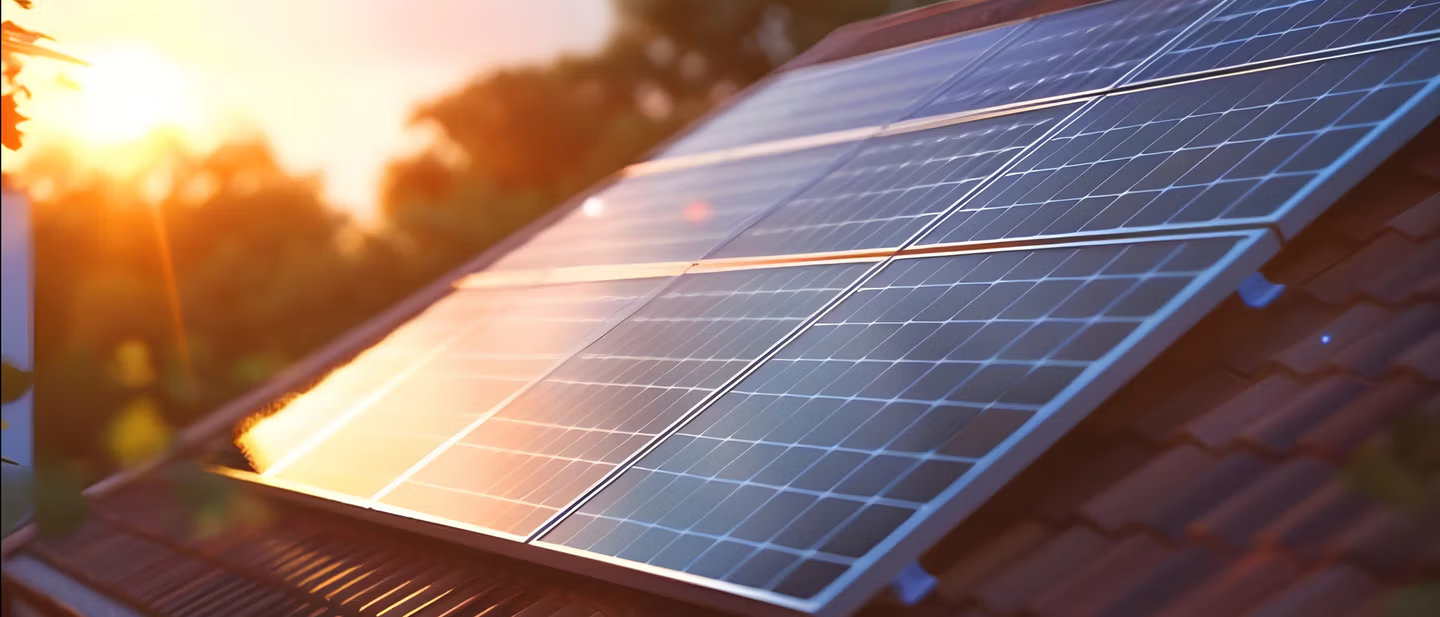
The government is preparing to make major changes in the next phase of the ‘PM Surya Ghar Muft Bijli Yojana’. The focus may now not only be on increasing the number of solar panels installed on the roofs of houses, but also on how much electricity they actually generate and how long the system works properly. That is, preparations are underway to link government support to the performance of the solar system and the benefits to the electricity grid.
The current scheme’s financial support for installing solar systems on the roofs of houses is mainly related to its capacity. The proposed new model may also focus on power generation, maintenance, battery storage and services provided to the grid. The government is considering options such as AI (artificial intelligence)-based verification, virtual metering and support according to different income groups. However, these changes are currently at the proposal stage and the legislation is yet to come.
The government is considering splitting the financial assistance into two parts. One part could be given as assistance for the initial cost of installing a solar system, while the second part could be related to the system’s performance, power generation, maintenance or battery storage.
The structure of the assistance could also differ according to income. Higher-income households could be encouraged to adopt solar with less government assistance, while lower-income households may need more assistance. The government’s focus is also that the cost of installing solar for a house can be recovered in about 5-6 years.
Flats and roofless households will also benefit
The proposed changes focus on connecting those who do not have their own roof to the scheme. People living in apartments can benefit from this through virtual net metering, group net metering, balcony solar or solar systems installed on the outside walls of the building.
Small community solar plants are also emerging as an option for low-income households. This could involve a plant with a capacity of around 100 kilowatts to reach those households who cannot afford a 1-2 kilowatt system in their homes.