VB-G RAM G implemented in Odisha. Grameen Yojana gets official seal. With the aim of further strengthening the rural economy of the state and creating sustainable livelihood opportunities in rural areas, the Odisha government has notified the ‘Developed India-Gramin Employment and Livelihood Mission (Gramin)’ scheme. Earlier, the state cabinet approved this scheme, while now the Panchayati Raj and Drinking Water Department has issued detailed guidelines. The scheme will be implemented in the state from next July 1.
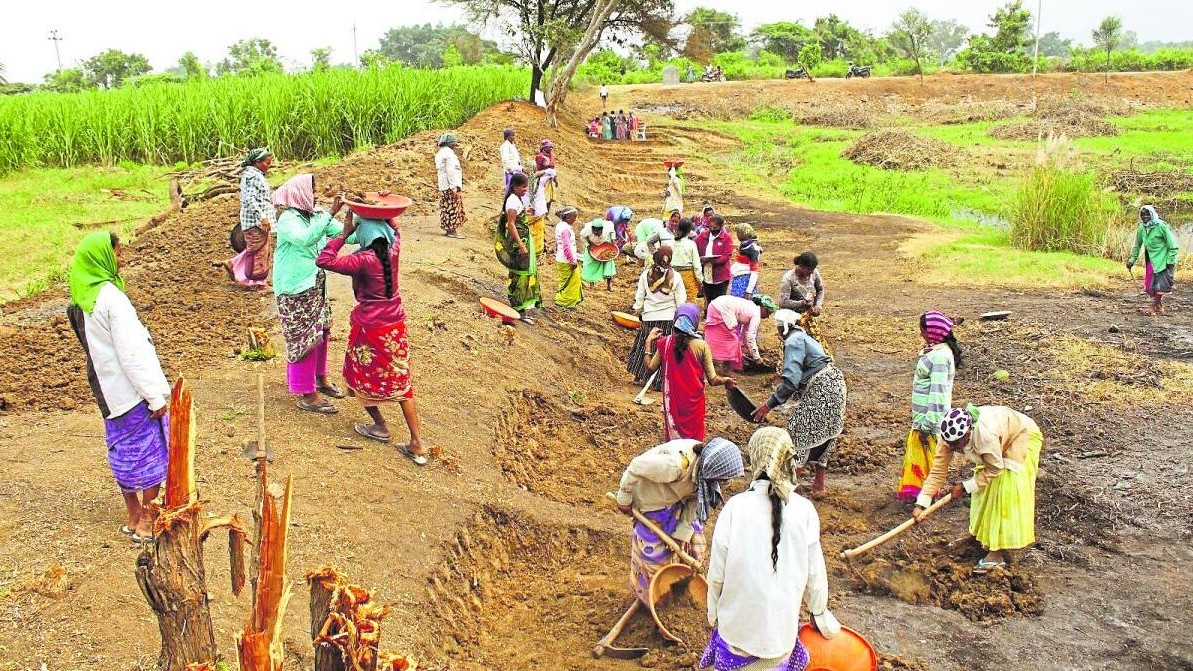
Under this, 120 days of unskilled labor employment will be guaranteed to every eligible family per year. There is a provision for unemployment allowance if work is not provided within 15 days of application. Similarly, a clear provision has been made to compensate for delay in payment of wages.
This new scheme has been prepared based on the experience of Mahatma Gandhi National Rural Employment Guarantee Scheme (MGNREGS). It not only focuses on employment generation, but also on rural infrastructure development, water conservation, increasing agricultural production, livelihood asset creation and building climate-resilient villages. The government has said that the scheme is aligned with the vision of ‘Developed India-2047’.
Another special feature of this scheme is the preparation of ‘Developed Gram Panchayat Yojana’ (VGPP). Each Gram Panchayat will prepare a development plan based on the needs and resources of its area and work will be selected according to that plan. As a result, instead of top-down planning, bottom-up planning will be given priority.
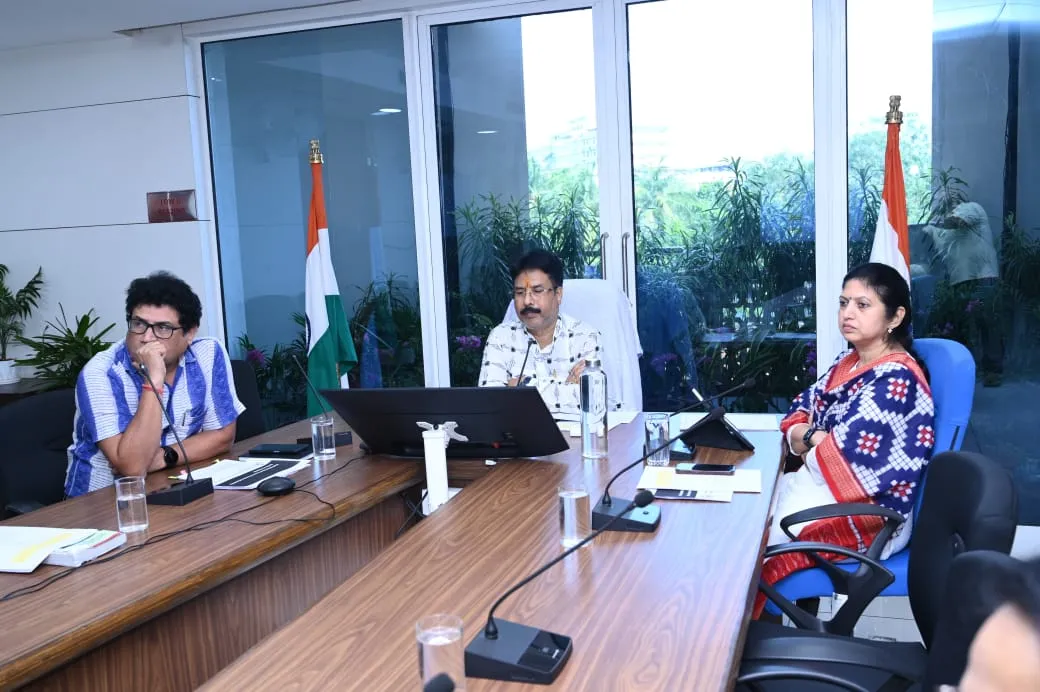
For the implementation of the scheme, ‘Odisha State Rural Employment Guarantee Council’ and ‘State Level Steering Committee’ will be formed at the state level. District Collectors will oversee the implementation of the scheme as district programme coordinators. Similarly, Panchayat Raj institutions have been given a central role in plan preparation, implementation and social monitoring. The government has also laid special emphasis on digital monitoring. Biometric presence, geo-tagging, MIS based monitoring, social surveillance and grievance redressal mechanism have been included in the scheme. As a result, transparency in rural development schemes will increase.