
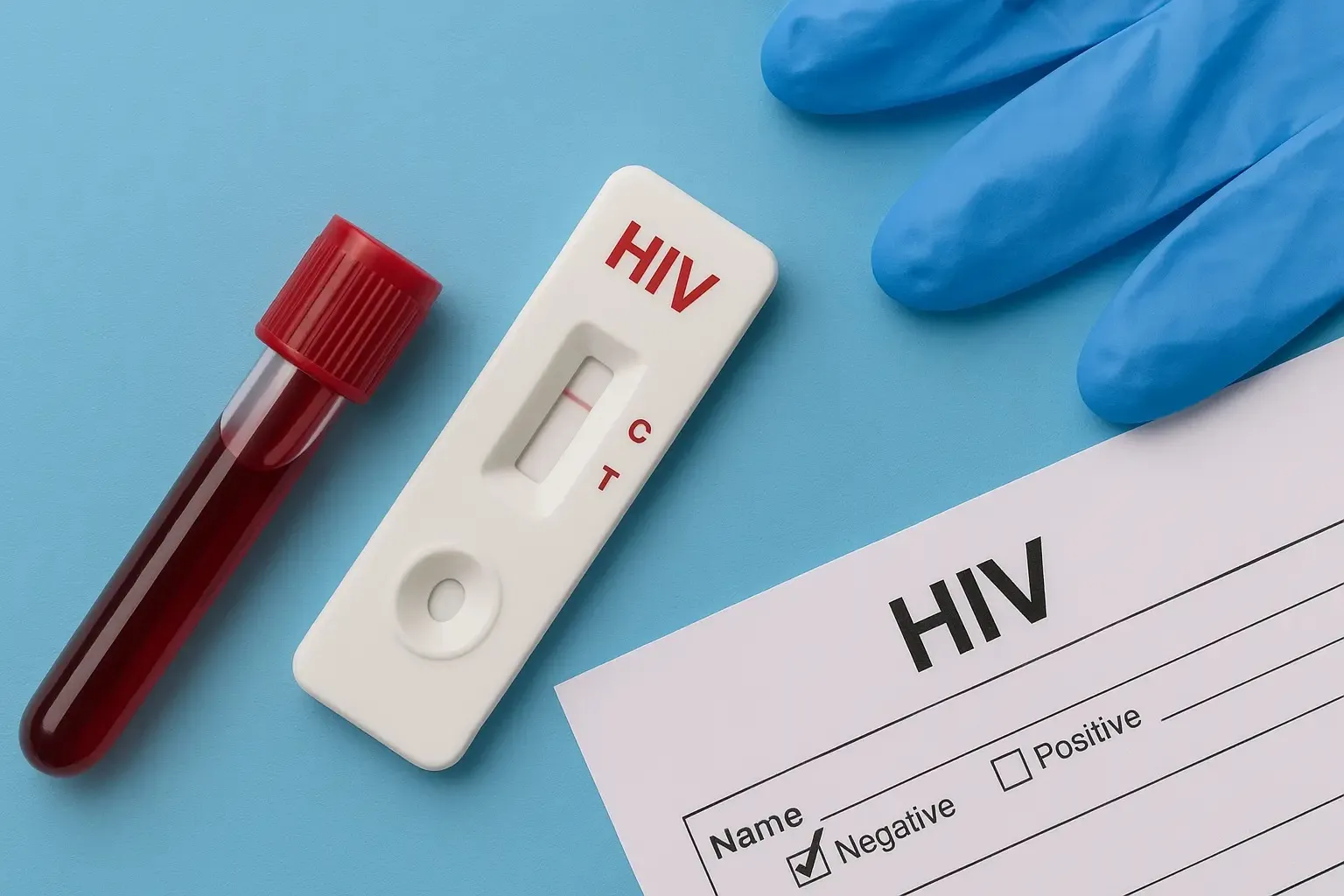
HIV situation in Karnataka is alarming. The number of HIV cases in the state is increasing rapidly. A report has come out about the increasing prevalence of HIV among the youth. Recently, more than 7,000 students and youth between the ages of 18 and 25 have tested HIV positive. Following this, the Karnataka government has decided to set up special HIV testing and counselling camps in engineering and degree colleges.
The government has said that these camps will be held in government, aided and private colleges. However, the government has also made it clear that no student will be tested for HIV without their express and full consent. This means that the HIV test will be completely voluntary and no one will be pressured to get it done.
The decision was taken after the recommendation of the Karnataka State AIDS Prevention Society (KSAPS)…
The decision was taken after the recommendation of the Vishwas Technological University (VTU) and the Department of Collegiate Education. Under this initiative, Visvesvaraya Technological University (VTU) and the Department of Collegiate Education will organize integrated health camps in colleges. The government said that HIV cases are continuously increasing among the youth, hence it is important to create awareness and conduct timely testing.
Where does Karnataka rank in terms of HIV prevalence?
According to the National AIDS and STD Response Status 2024 (Compilation) report of the National AIDS Control Organisation (NACO), Karnataka ranks third in the country in terms of the number of people living with HIV. About 260,000 people are living with HIV in the state. Of these, only 25,000 are receiving antiretroviral therapy (ART) treatment. The health department estimates that about 54,000 people are still unaware that they are HIV positive.
HIV cases continue to rise…
According to KSAPS data, there has been a continuous rise in HIV cases in the age group of 18-35. In 2023-24, 44,500 cases were reported in this age group, while in 2025-26, the number increased to 66,600. During the same period, more than 7,000 students and youth in the age group of 18 to 25 tested HIV positive. Due to this, the government has decided to intensify awareness campaigns and voluntary testing programmes in college campuses. The government has clarified that awareness programmes, counselling and testing camps will be organised in colleges, but no student will be tested for HIV without their consent. The government’s primary objective is to provide accurate information about HIV to students and youth, increase awareness about testing and ensure timely identification and treatment of infected individuals.