
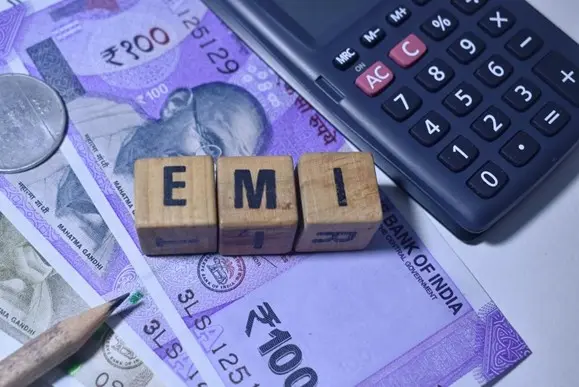
Are you already paying EMIs on a home loan, car loan or personal loan? If you are thinking of taking a new loan now, then a good salary alone will not work. The bank looks at how much money you have left each month after paying all the EMIs. This will decide whether you will get a new loan or the application will be rejected.
This ratio after bank verification – While sanctioning a loan, banks first look at the ratio of your loan to EMI. If your monthly income is Rs 1 lakh and you are already paying an EMI of Rs 40,000, your income to expenditure ratio will be 40 percent, which is generally considered safe.
NBFCs lend at high interest rates – Banks want your total EMI after adding new loans not to exceed 50 percent to 60 percent of your monthly income. If the ratio goes beyond 60% after adding new EMIs, the bank may also reject your loan application. Some NBFCs offer loans up to a higher limit, but the interest rate may be higher.
Banks look at not only the EMI amount but also the type of loan you are repaying. For example, a home loan EMI of Rs 30,000 is considered less risky than a personal loan or credit card EMI of Rs 30,000, because a home loan is a secured loan. Whereas, credit card and unsecured loans are considered riskier by the bank.
If you are looking to take a new loan, first try to reduce your current EMI. Prepaying or paying off a small loan early can reduce your EMI burden. This will improve your loan-to-income ratio. This may increase your eligibility for a new loan. However, before making a prepayment, consider the foreclosure charges and the time it takes to update your credit report.
A good credit score is essential – In addition to this, a good credit score is also important. A credit score of 750 or above increases your chances of loan approval and a low interest rate. However, a good score alone does not guarantee a loan. Banks ultimately consider whether you can comfortably repay the new loan, given your current income and EMIs.