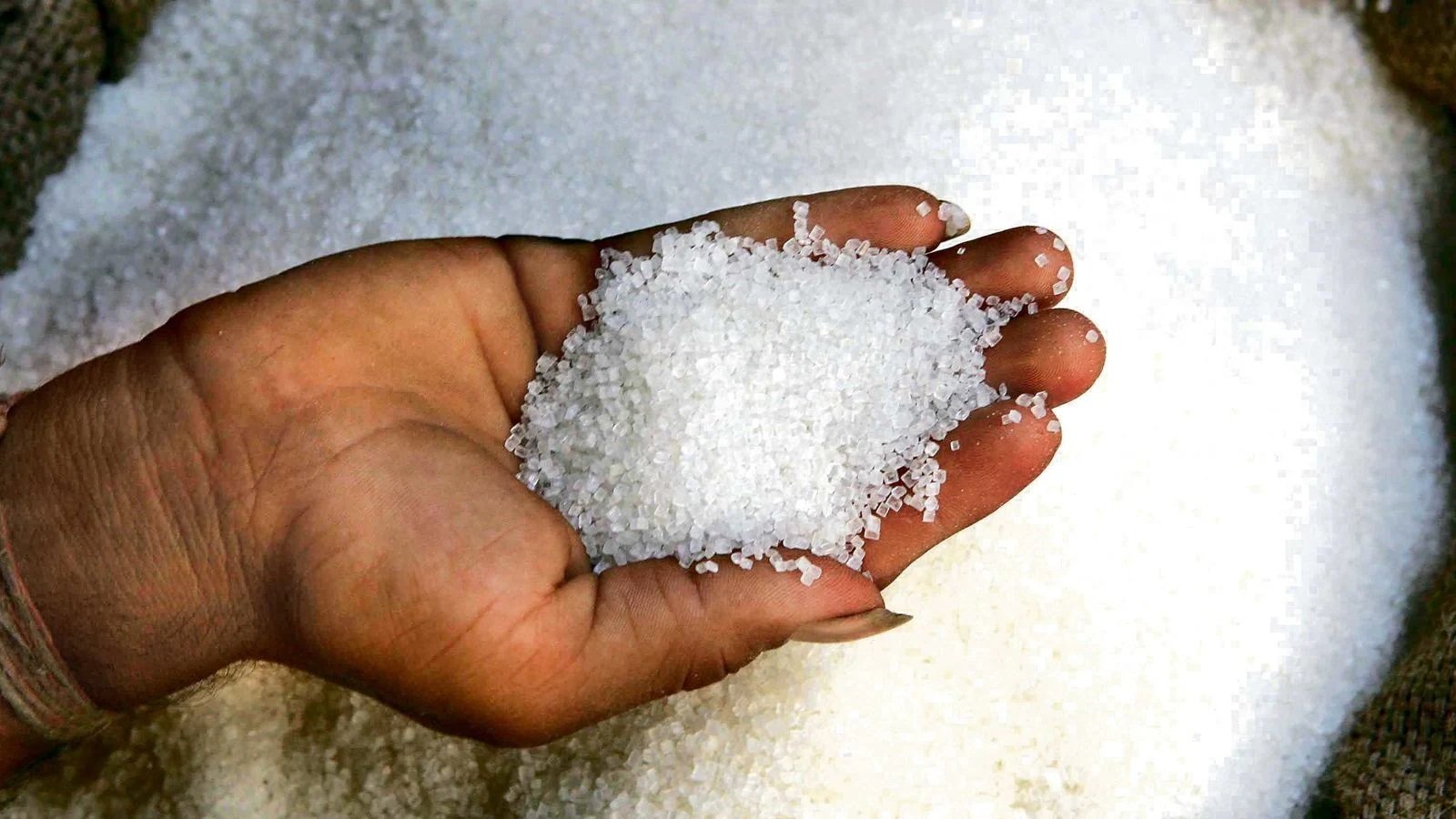
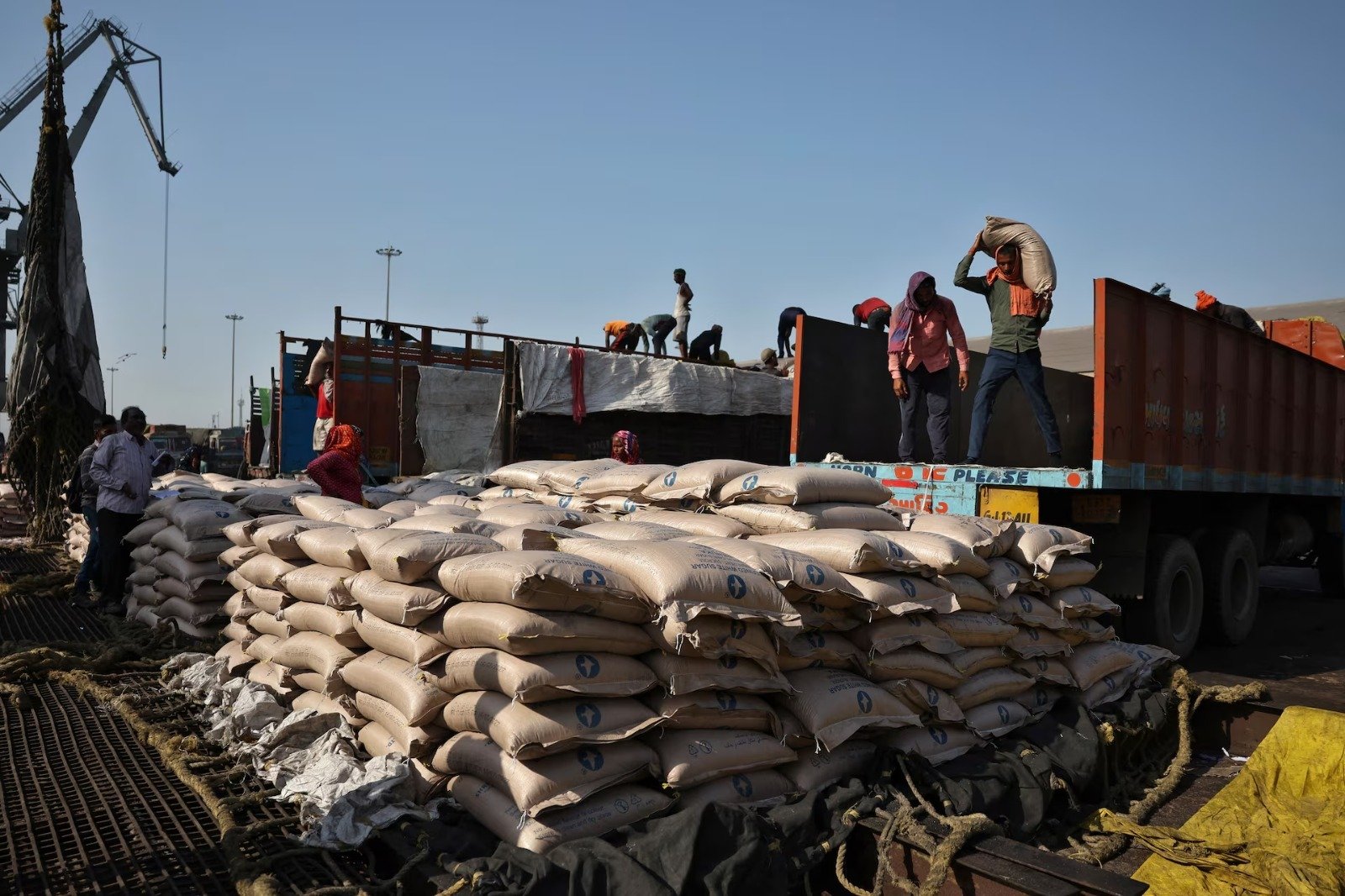
The common man is going to feel the pain of rising prices during the upcoming festive season. Despite various government efforts, sugar prices are increasing in the domestic market. According to the data of last month, sugar prices increased by an average of 8 percent, while in some states this increase has reached 15 percent. As a result, it is feared that the price of sweets may be expensive for the common man during the festive season from Dussehra to Diwali.
Sweets to face expensive blow during Parvan:
Sugar consumption is at its highest during the Parvan season, but the current sharp increase in prices has threatened to put a strain on the family budget. To check this rising price, sugar mills have now taken an important step. In the last month, sugar prices in the wholesale market have increased by up to Rs 400 per quintal. In view of this situation, mills have decided to start their sugar milling or production operations 10 to 15 days ahead of schedule to increase the supply of fresh sugar in the market as soon as possible.
Why are the prices skyrocketing?
The main reason behind the sudden rise in sugar prices is the fall in production. As per initial estimates, the national sugar production for the year was estimated at 29.3 million tonnes, but the actual figure was only 28 million tonnes, which is about 5 per cent lower than expected. However, the challenge remains that the country’s total annual consumption is around 28 million tonnes and 8 million tonnes have already been exported this year. Besides, the impact of El Nino and fears over a possible drop in production next year have added to market anxiety, which has further fuelled the price hike.
Malemal mill owner, harassed people:
On one hand, the increase in sugar is affecting the budget of the common consumer, on the other hand, it is proving to be a lucrative deal for sugar manufacturing companies. With this growth, major companies like Balrampur Sugar, Dwarkesh Sugar, Shree Renuka Sugar and Dalmia Bharat Sugar are likely to see a good improvement in their margins. However, this situation could be a major setback for the government’s ambitious ethanol blending programme (Ethanol Blending in Petrol Scheme).
If sugar prices remain high, mills will find it more profitable to produce and sell sugar directly rather than making ethanol. This could impact ethanol production in the country. While the government has tried to control prices by imposing stock limits and checking mill inventories, the impact of these measures has not yet been felt in the retail market.